
Celebrity
Maria Providencia Ferrer Murdock: Rosemary Clooney’s Daughter, Explained

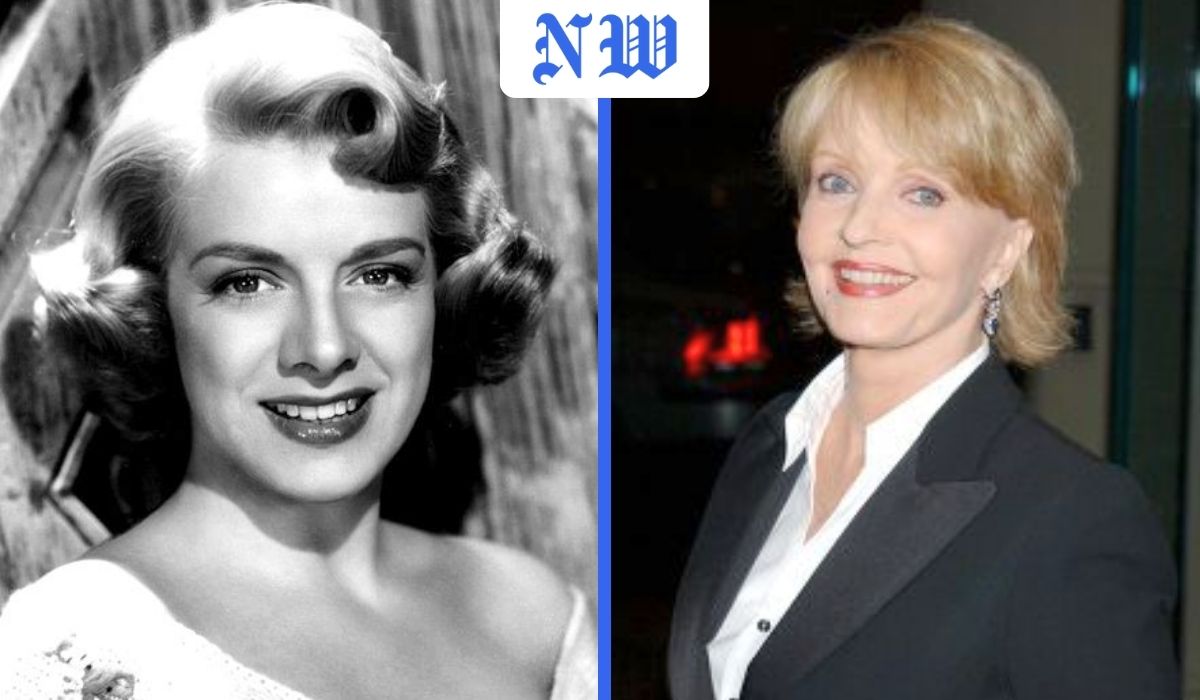
Maria Providencia Ferrer Murdock is best known for one clear reason: she is the daughter of singer and actress Rosemary Clooney and actor-director José Ferrer. That connection alone makes people curious, especially when they remember Rosemary in the holiday classic White Christmas and then wonder what happened to her children once the spotlight moved on. Maria has lived a far more private life than her famous parents, but her name still shows up in meaningful places—formal family notices, arts leadership mentions, and legacy events that keep Rosemary’s story accurate and respectful.
| Detail | Information |
|---|---|
| Full name | Maria Providencia |
| Known as | Maria Ferrer |
| Listed as | Ferrer-Murdock |
| Birth date | Aug 9, 1956 |
| Nationality | American |
| Mother | Rosemary Clooney |
| Father | José Ferrer |
| Family role | Daughter |
| Siblings | Four siblings |
| Brother | Miguel Ferrer |
| Brother | Gabriel Ferrer |
| Sister | Monsita Ferrer |
| Brother | Rafael Ferrer |
| Holiday link | White Christmas |
| Public focus | Arts legacy |
| Board role | LACMA |
| Board role | Songbook board |
| Design work | Interior design |
| Kentucky tie | Augusta house |
| Public presence | Occasional talks |
| Known for | Family stewardship |
Who is Maria Providencia Ferrer Murdock?
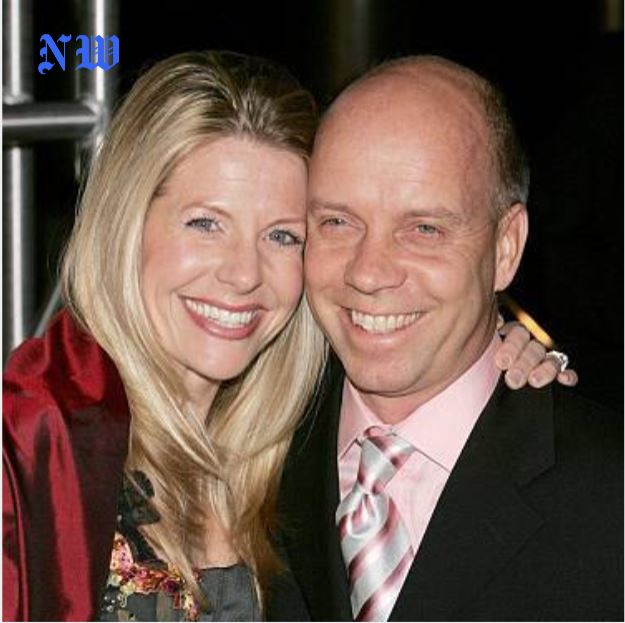
Public records and published family notices commonly list Maria’s birth date as August 9, 1956. She is one of five children born to Rosemary Clooney and José Ferrer, and her siblings are widely listed as Miguel, Gabriel, Monsita, and Rafael. You will also see her name written in more than one way—often as “Maria Ferrer” in shorter references, and as “Maria Providencia Ferrer-Murdock” in more formal listings, including Rosemary Clooney’s obituary. The different formats can feel confusing at first, but they usually reflect a more complete presentation of her family name and married name, not a separate person.
Growing up with Rosemary Clooney and José Ferrer
Maria grew up inside two worlds at once. On one side was Rosemary’s public image as a warm, clear-voiced singer who became a household name in the early 1950s. On the other side was José’s reputation for dramatic work and serious theater craft. In José Ferrer’s case, Britannica notes that he won an Academy Award for his performance in Cyrano de Bergerac (1950), a milestone that still defines his place in entertainment history.
At home, though, the family still had to do ordinary things: raise five children, move through busy work schedules, and handle the pressure that comes with celebrity. The public record confirms the family structure and key milestones, but it does not offer a constant stream of personal detail about Maria—and that privacy is part of what makes her name stand out to readers today.
Rosemary Clooney’s career and the lasting pull of White Christmas
Rosemary Clooney’s career mattered long before White Christmas turned into an annual tradition. Music-history sources highlight her breakthrough with “Come On-a My House” and the long list of well-known recordings that followed. For fans, that means Rosemary is not remembered for a single moment; she is remembered for a whole sound—classic pop and jazz phrasing that still feels easy, friendly, and emotionally direct. Still, it’s White Christmas that keeps pulling new audiences back.
In an announcement tied to a special screening, the Great American Songbook Foundation describes the film as a lasting holiday favorite and places Rosemary’s work at the center of why it continues to draw crowds. For Maria, that matters because her mother’s fame isn’t locked in the past. Every December, the movie returns, and the public’s interest in Rosemary’s family often returns with it.
The difficult years and the comeback that followed
Rosemary’s life included painful chapters that shaped the family behind the scenes. Britannica reports that she was present at the assassination of her friend Robert F. Kennedy in 1968, and that trauma—along with prescription drug addiction—contributed to a breakdown and a period of recovery. The same source explains that she later returned to performing and recorded a well-regarded run of albums beginning in 1977 with Concord Jazz.
For readers trying to understand Maria, this context is not gossip; it’s part of the timeline. Children of famous parents don’t only inherit the applause. They also live through the hard resets, the health scares, and the private rebuilding that fans may only learn about years later. In many ways, Maria’s selective public presence fits a family that learned firsthand how fragile public life can be.
Maria’s adult life: private, but connected to the arts
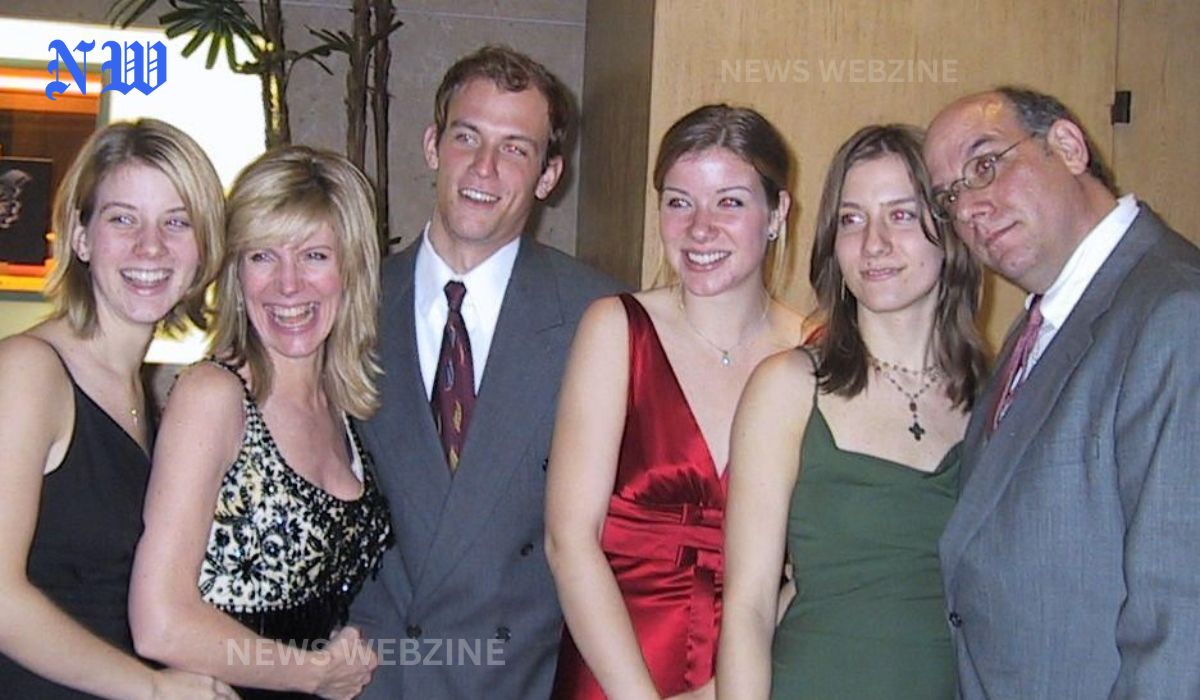
Maria has not built a public identity around acting credits or headline interviews. Instead, the public items that mention her tend to place her closer to arts institutions and creative work behind the scenes. A Los Angeles Times item described her as a trustee of the Los Angeles County Museum of Art and reported that she founded an interior design firm called M.P. Ferrer Designs.
Those details suggest a different kind of creative life—one built around design, cultural spaces, and the careful work of supporting the arts without needing the spotlight. This same pattern shows up in the way she is mentioned around Rosemary’s legacy: Maria isn’t promoted as “the celebrity child.” When she is named publicly, it is usually because she has a role in an institution, a preservation effort, or a carefully planned event that serves the bigger story of her mother’s work.
The public moments where Maria steps forward
When Maria does appear publicly, it is usually in settings that are respectful and specific. The Great American Songbook Foundation announced that she would attend a White Christmas screening in December 2025 for a live talkback and Q&A, sharing stories and insights about Rosemary Clooney’s life and career. The same release says she has served on the boards of both LACMA and the Foundation, and that she has supported initiatives connected to the Betty Clooney Foundation for Persons with Brain Injury.
That matters because it answers a common question: why doesn’t the public know more about her? Because the moments she chooses are not designed to make her the headline. They are designed to add context, protect accuracy, and connect fans to real history—especially when that history is being shared through curated collections tied to classic entertainment.
Artifacts, museums, and what preservation really looks like
Legacy isn’t only about memories. It’s also about objects that carry history—costumes, posters, and personal items that can disappear if no one protects them. The Songbook Foundation has described displays of authentic White Christmas artifacts drawn from its own collections and the Rosemary Clooney House in Augusta, Kentucky, letting the public see pieces of classic entertainment history up close. This is where Maria’s name often fits: family stewardship that supports institutions, exhibitions, and the careful handling of a parent’s history so it stays real for the next generation.
If you want a quick sense of the public roles she is most often associated with, they usually look like this: • joining special screenings and answering audience questions • supporting museum and archival work tied to classic film and popular music • serving in arts leadership roles, including board service • keeping family charitable efforts visible, especially projects connected to brain injury support.
Kentucky, the Clooney family tree, and why Maria’s story matters
One of the most tangible places Rosemary’s legacy lives is in Augusta, Kentucky. A public account from Heather French Henry describes how Rosemary began using the Augusta home as a retreat starting in 1980, and how, after Rosemary’s death, her children approached the Henry family about purchasing and preserving the home and its memorabilia, leading to early openings in 2005. Rosemary’s family also reaches into modern Hollywood: Britannica identifies George Clooney as Rosemary’s nephew, which makes him Maria’s first cousin.
That detail can create the wrong expectation that everyone in the family should be famous in the same way. Maria’s story shows another path: a life that stays mostly private, while still stepping forward when history needs a steward. In the end, the simplest truth is also the most respectful one—Maria Providencia Ferrer Murdock is best understood as a daughter and careful guardian of a legacy that still means something to millions.
Final Thoughts / Conclusion
Maria Providencia Ferrer Murdock is not famous in the usual way, and that is exactly why her name draws interest. She sits at the center of a well-known family story—Rosemary Clooney’s enduring music legacy, White Christmas holiday tradition, and José Ferrer’s respected career—yet she has chosen a quieter public path.
What stands out most is the pattern of how she appears: not for headlines, but for legacy work, arts support, and the careful sharing of family history when it matters. In the simplest terms, Maria Providencia Ferrer Murdock remains important because she helps keep Rosemary Clooney’s story accurate, human, and alive for new generations.
FAQs
Who are Maria Providencia Ferrer Murdock’s parents?
Her parents are singer and actress Rosemary Clooney and actor-director José Ferrer. Their long, well-known careers are the main reason Maria’s name remains searchable today.
When was Maria Providencia Ferrer Murdock born?
Public records and published family notices commonly list her birth date as August 9, 1956. That date is often used to confirm you’re reading about the same person across different name formats.
How many siblings does Maria have?
The Ferrer–Clooney family is commonly listed as five children in total. That means Maria has four siblings, widely named as Miguel, Gabriel, Monsita, and Rafael.
Is Maria related to George Clooney?
Yes. George Clooney is Rosemary Clooney’s nephew, which makes him Maria’s first cousin.
Did Maria become an actress or singer?
There is no widely documented acting or recording career for Maria like there is for Rosemary or José. Public mentions instead connect her to design work and arts leadership.
What is Maria’s connection to museums and arts organizations?
A Los Angeles Times item described her as a trustee of the Los Angeles County Museum of Art, and the Great American Songbook Foundation has described her board involvement and legacy-focused work. These are some of the clearest public signals about how she stays connected to the arts.
Why is White Christmas still tied to Maria’s name?
Because Rosemary’s role in the film remains a lasting holiday tradition, and special screenings sometimes include family perspective. A 2025 event announcement said Maria would attend a screening for a talkback and Q&A after the film.
What is publicly known about Maria’s life today?
What’s public is mostly purpose-driven: arts board service, museum and legacy projects, and occasional appearances to talk about Rosemary’s life. Beyond that, she has kept day-to-day details private.
ALSO READ THIS : Who Is Todd Van Sickle? Jennifer Nettles’ First Husband Explained

Best Movirz Alternatives for Streaming Movies Online

Who Is Erin Trussell? Full Details About Duncan Trussell’s Wife and Personal Life

What Is Twizchat and How Does It Work for Users Today

What Is SosoActive and How Does It Work for Users

How to Identify 2RSB9053 Parts and Their Key Features

What Is Caricatronchi and How Does It Work Today

What SocialWick offers for safe social media growth

What Is Cumhuritey and How It Works Around the World

What Is Hormita and How It Is Used Around the World

How Pappedeckel Helps in Packaging and Daily Use

Galoble

MMSVEE24 Explained in Simple Terms for Beginners

HeilxStudio
How Pappedeckel Helps in Packaging and Daily Use
What SocialWick offers for safe social media growth
Best Movirz Alternatives for Streaming Movies Online
Who Is Erin Trussell? Full Details About Duncan Trussell’s Wife and Personal Life
What Is Cumhuritey and How It Works Around the World
How to Identify 2RSB9053 Parts and Their Key Features
What Is Twizchat and How Does It Work for Users Today
Best Movirz Alternatives for Streaming Movies Online
Who Is Erin Trussell? Full Details About Duncan Trussell’s Wife and Personal Life
What Is Twizchat and How Does It Work for Users Today
What Is SosoActive and How Does It Work for Users
How to Identify 2RSB9053 Parts and Their Key Features
What Is Caricatronchi and How Does It Work Today
What SocialWick offers for safe social media growth
What Is Cumhuritey and How It Works Around the World
What Is Hormita and How It Is Used Around the World
How Pappedeckel Helps in Packaging and Daily Use
-

 Technology4 months ago
What Is 001-gdl1ghbstssxzv3os4rfaa-3687053746? Uses Explained
-

 Celebrity3 months ago
Who Is Lauren Deleo? What to Know About Jake Lacy’s Wife
-

 Celebrity4 months ago
Who Is Debra Peifer? The Untold Story Behind Zach Bryan’s Rising Fame
-

 Blog4 months ago
What Is cilkizmiz24? Explained Clearly: Meaning, Use, and Notes