
Celebrity
Who Was Joanne Schieble Simpson? Steve Jobs’ Mother Explained

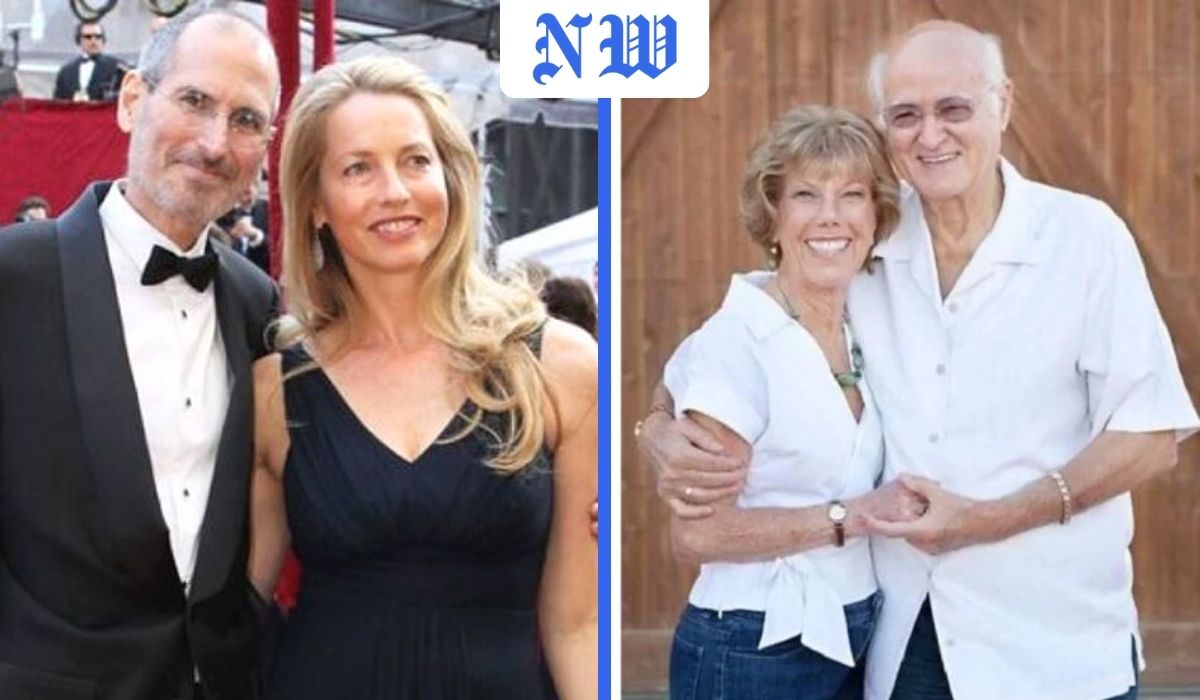
Joanne Schieble Simpson is best known today as the biological mother of Steve Jobs. But reducing her to a single line misses the real human story behind her name. She lived in a time when family expectations, religion, and social pressure could shape a person’s choices in a very strict way. Her early relationship, her pregnancy, and the adoption plan she made in the 1950s became a quiet turning point in one of the most talked-about life stories of the modern era.
At the same time, much of her life stayed private. She did not build a public career around fame, and she did not spend decades giving interviews about her son. So the clearest way to understand her is to focus on what is publicly known, place it in the context of the era she lived in, and be honest about what remains personal or unclear.
Quick Bio Table
| Detail | Information |
|---|---|
| Full name | Joanne Schieble Simpson |
| Also known as | Joanne Schieble |
| Known for | Steve Jobs’ mother |
| Role | Birth parent |
| Era | Mid-1900s |
| Connection | Steve Jobs |
| Biological father | Abdulfattah Jandali |
| Child | Steve Jobs |
| Child | Mona Simpson |
| Meeting place | University setting |
| Adoption type | Closed adoption |
| Adoption city | San Francisco |
| Early residence | Wisconsin |
| Later residence | Los Angeles area |
| Heritage | Swiss-German roots |
| Religion | Catholic background |
| Public spotlight | Very limited |
| Media presence | Rarely interviewed |
| Family focus | Private life |
| Legacy | Part of Jobs’ origin story |
Early Life and Family Background
Joanne grew up with a traditional family background, and her early adulthood unfolded in a very different America than the one people know now. In the 1950s, the idea of an unmarried pregnancy could bring intense judgment. Families often worried about reputation, faith, and what their community would say. These pressures mattered, because they shaped what options felt “possible” to young adults—especially women—at that time.
Public reporting has described her as coming from a family with strong views and firm expectations. That is important to understand, because her later decision was not just a personal choice made in a vacuum. It was made inside a strict social world where a relationship could be treated as unacceptable based on culture, religion, or background.
Meeting Abdulfattah Jandali and the Reality of the 1950s
While in school, Joanne met Abdulfattah “John” Jandali, a fellow student with a different cultural and religious background. They fell in love, but the relationship faced resistance. In many families during that era, parental approval mattered a lot. Some parents did not just “disagree”—they could actively block a marriage, threaten financial support, or apply heavy emotional pressure.
When Joanne became pregnant, the situation became urgent. A young couple might have wanted time to figure things out, but the social rules of the moment did not allow much breathing room. A hidden pregnancy, a rushed plan, and a quiet birth were common ways people tried to avoid scandal. That context does not erase the pain of the situation, but it helps explain why the story unfolded the way it did.
The Adoption Plan and the Promise That Mattered Most

Joanne Schieble Simpson arranged an adoption plan in San Francisco, where Steve Jobs was born in 1955. One detail that often appears in accounts of the adoption is her strong preference about education. She wanted her child placed with parents who could offer stability and a path toward learning. Later retellings of the story say she was upset when she learned the adoptive parents did not match what she expected, and that she only agreed to finalize the adoption after she received a promise about her son’s future education.
This part of the story stands out because it shows a mother trying to protect a child’s future from a distance. Adoption choices can involve fear, grief, and hope all at once. The public record can’t capture everything she felt, but the education detail hints at her priorities. It suggests she was thinking beyond the moment and trying to make the outcome as strong as possible for the baby she was placing.
Life After the Adoption: Marriage, Another Child, and a Changed Path
After the adoption, Joanne’s life continued to change quickly. Accounts describe her later marrying Jandali and having a daughter, Mona—who would grow up to become the novelist known as Mona Simpson. Over time, that marriage ended in divorce. Like many adult stories, the public sees only the outline: a relationship begins, a family forms, and then the couple separates.
What matters for understanding Joanne’s story is that she carried the experience of adoption into a new chapter of life. She had a child she was raising and a child she had placed. That is a complicated emotional reality, even if it stays mostly unspoken in public. It also set the stage for a future moment that would not happen until decades later, when Steve Jobs began searching for his biological family.
Remarriage, a New Last Name, and a Private Life Away From Headlines
Later, Joanne remarried and took the last name Simpson, which is why many people know her as Joanne Simpson. She and Mona eventually lived in the Los Angeles area, and much of this period is described only in broad strokes. That is not unusual. Many people connected to famous figures live quiet lives, and their day-to-day work and routines never become public.
What is clear is that Joanne did not spend her life seeking attention because of Steve Jobs. She was not a celebrity parent in the modern sense. She remained mostly out of interviews, out of spotlight coverage, and out of public storytelling. For readers today, that can feel unusual, but it also fits the era she came from—one where privacy was often chosen, not just lost.
Reconnecting With Steve Jobs as an Adult

Steve Jobs did not grow up with Joanne in his life, but as an adult he became curious about his origins. He eventually connected with his biological mother, and through that connection, he also met Mona. Reports often describe the sibling bond between Steve and Mona as warm and meaningful once they found each other. That connection mattered, because it gave Steve a new family relationship that did not replace his upbringing, but added another layer to his identity.
This reconnection also shows something important about Joanne’s role in the larger story. Even though she was not raising him, her name was still part of his emotional map. A person can be deeply shaped by adoption and still be grateful for the life they were given. Steve was known for strong opinions and intense feelings, yet he also showed a very human curiosity about where he came from—and that path led back to her.
What She Is Publicly Known For
Because her life was private, most public knowledge about her centers on a few well-known points. Here are the clearest highlights people commonly associate with her story:
-
She was Steve Jobs’ biological mother, connected to his early life through a closed adoption.
-
She was also the mother of Mona Simpson, the novelist and Steve’s biological sister.
-
Her early relationship with Abdulfattah Jandali faced strong family resistance.
-
She is often linked to the adoption condition emphasizing education and opportunity.
-
She lived much of her life outside the public spotlight, with limited media exposure.
Why Her Story Still Matters in the Steve Jobs Conversation
When people talk about Steve Jobs, they often focus on invention, leadership style, and business history. But his early life is part of why his story holds attention. Adoption shaped how he thought about identity, belonging, and control. It also shaped how the public framed his origin story—sometimes in a dramatic way that turns real people into simple characters.
Joanne’s story matters because it brings a human dimension to the beginning of his life. It reminds readers that famous outcomes can start with ordinary, painful, and deeply personal decisions. It also highlights a reality many families understand: choices made under pressure can echo for decades. Whether someone views her decision with sadness, respect, or mixed emotions, it clearly became one of the earliest turning points in a life that later captured the world’s attention.
Final Thoughts
Joanne Schieble Simpson remains a private figure in many ways, even though her name is tied to one of the most famous technology leaders in history. What is publicly known suggests a young woman navigating strict expectations, a difficult pregnancy, and a serious decision in a time with fewer socially acceptable options. Her later life stayed largely out of public view, and that privacy deserves respect.
In the end, her story is not just a footnote to Steve Jobs. It is a reminder that behind every headline biography, there are real families, real pressure, and real choices—often made quietly, long before the world starts paying attention.
FAQs
Who was Joanne Schieble Simpson?
Joanne Schieble Simpson was the biological mother of Steve Jobs. She is also known as the mother of novelist Mona Simpson. Much of her life remained private, but her early adoption plan is a key part of Jobs’ origin story.
Was Joanne Schieble Simpson married to Steve Jobs’ biological father?
Public accounts describe her as having a relationship with Abdulfattah “John” Jandali while they were students, and later marrying him after Steve’s adoption. Their marriage later ended in divorce. The details are usually shared only in broad outlines.
Why did she place Steve Jobs for adoption?
The most common explanation involves strong social and family pressure in the 1950s, including resistance to her relationship and the stigma of an unmarried pregnancy. Adoption was a path many people chose at the time when they felt they had limited options.
Did Steve Jobs ever meet his biological mother?
Yes, he later connected with her as an adult after learning more about his adoption background. This reconnection also helped him find and form a relationship with his biological sister, Mona Simpson. Their family contact happened long after his childhood.
Who is Mona Simpson in relation to Joanne Schieble Simpson?
Mona Simpson is Joanne’s daughter and Steve Jobs’ biological sister. Mona became a well-known novelist and has spoken publicly about her relationship with Steve. Her connection to Joanne is one of the clearest public details about Joanne’s later family life.
Did Joanne Schieble Simpson raise Steve Jobs?
No. Steve Jobs was raised by his adoptive parents, Paul and Clara Jobs, who he considered his true parents. Joanne was his birth mother, and their relationship happened later in life rather than during his upbringing.
What is the difference between “Joanne Schieble” and “Joanne Simpson”?
“Schieble” is her birth surname that appears in many accounts of Steve Jobs’ birth and adoption. “Simpson” is the surname she used later in life after taking a spouse’s last name. Both names refer to the same person.
Why is Joanne Schieble Simpson still discussed today?
She is discussed because people remain interested in Steve Jobs’ early life and adoption story. Her choices and the circumstances around them help explain part of the personal background that shaped his identity. Interest also continues because many details stayed private, which naturally leaves readers curious.
ALSO READ THIS : Who Is william douglas sewell? All About Doug Sewell’s partner

Best Movirz Alternatives for Streaming Movies Online

Who Is Erin Trussell? Full Details About Duncan Trussell’s Wife and Personal Life

What Is Twizchat and How Does It Work for Users Today

What Is SosoActive and How Does It Work for Users

How to Identify 2RSB9053 Parts and Their Key Features

What Is Caricatronchi and How Does It Work Today

What SocialWick offers for safe social media growth

What Is Cumhuritey and How It Works Around the World

What Is Hormita and How It Is Used Around the World

How Pappedeckel Helps in Packaging and Daily Use

Galoble

MMSVEE24 Explained in Simple Terms for Beginners
What SocialWick offers for safe social media growth
Best Movirz Alternatives for Streaming Movies Online

HeilxStudio
How Pappedeckel Helps in Packaging and Daily Use
Who Is Erin Trussell? Full Details About Duncan Trussell’s Wife and Personal Life
What Is Cumhuritey and How It Works Around the World
How to Identify 2RSB9053 Parts and Their Key Features
What Is Twizchat and How Does It Work for Users Today
Best Movirz Alternatives for Streaming Movies Online
Who Is Erin Trussell? Full Details About Duncan Trussell’s Wife and Personal Life
What Is Twizchat and How Does It Work for Users Today
What Is SosoActive and How Does It Work for Users
How to Identify 2RSB9053 Parts and Their Key Features
What Is Caricatronchi and How Does It Work Today
What SocialWick offers for safe social media growth
What Is Cumhuritey and How It Works Around the World
What Is Hormita and How It Is Used Around the World
How Pappedeckel Helps in Packaging and Daily Use
-

 Technology4 months ago
What Is 001-gdl1ghbstssxzv3os4rfaa-3687053746? Uses Explained
-

 Celebrity3 months ago
Who Is Lauren Deleo? What to Know About Jake Lacy’s Wife
-

 Celebrity4 months ago
Who Is Debra Peifer? The Untold Story Behind Zach Bryan’s Rising Fame
-

 Blog4 months ago
What Is cilkizmiz24? Explained Clearly: Meaning, Use, and Notes