
Celebrity
Elaine A. Zane Biography: Why Bonnie Zane Is Mentioned

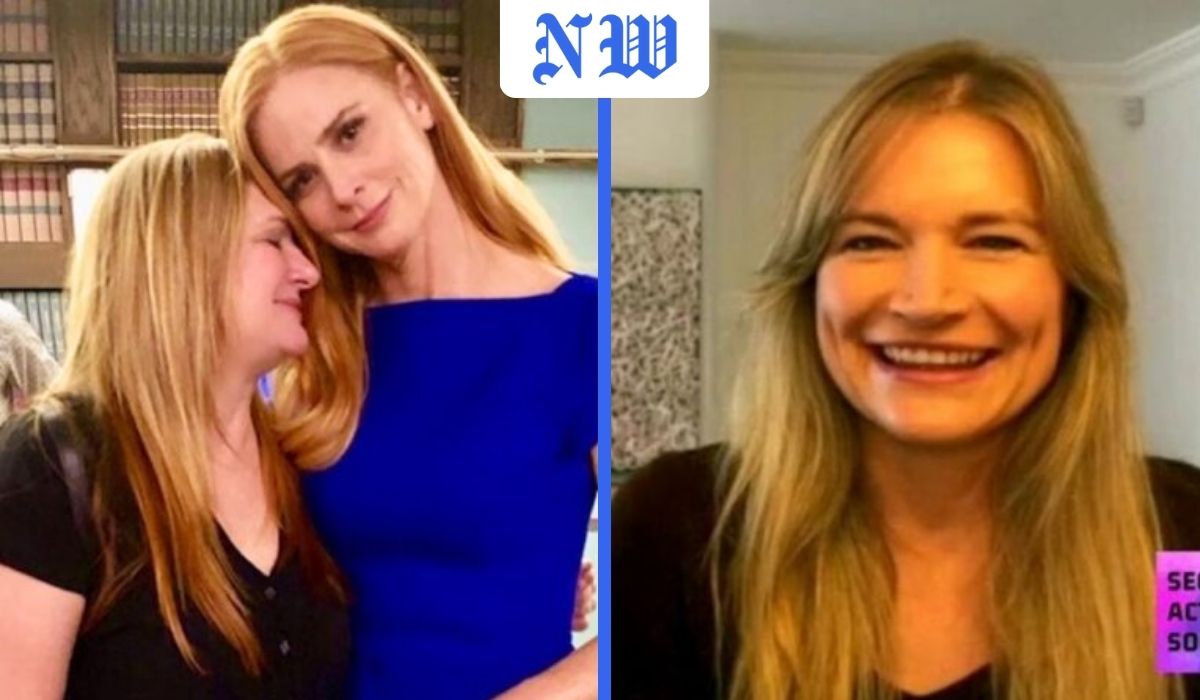
When people type Elaine A. Zane into Google, they often see another name pop up in the same conversation: Bonnie Zane. That overlap can feel confusing, especially if you’re trying to confirm whether the two names point to the same person, the same family, or simply the same last name appearing in different places online. This article breaks it down in simple words. Instead of guessing or spreading rumors, we’ll focus on the most common, realistic reasons two similar names get connected, what details actually matter (like middle initials and locations), and how readers can separate real facts from mix-ups in a respectful way.
Quick Bio Table
| Detail | Information |
|---|---|
| Name | Elaine A. Zane |
| Topic | Bonnie Zane |
| Surname | Zane |
| Initial | Middle “A.” |
| Name Type | Personal name |
| Reader Goal | Clear connection |
| Common Confusion | Same surname |
| Search Intent | Identity check |
| Public Trail | Mentions online |
| Best Clue | Middle initial |
| Key Filter | Location match |
| Another Clue | Age range |
| Often Seen In | Listings, notes |
| Possible Link | Family tie |
| Also Possible | Separate people |
| Why It Spreads | Copy-paste info |
| Smart Approach | Verify details |
| Risk To Avoid | Wrong identity |
| Safe Rule | Stick to facts |
| Bottom Line | Clarity matters |
Why Two Names Get Linked So Often
It’s normal for two names to become connected online even when the relationship is unclear. The biggest reason is simple: the same last name can appear in the same community, record set, or social context. Once one website, directory, or reposted snippet places two names close together, other pages may repeat it. Over time, a loose association can look like a confirmed fact, even if no direct relationship is stated anywhere. That’s why careful readers should treat early “connections” as a starting point, not an ending point.
The Middle Initial Matters More Than People Think
The “A.” in Elaine A. Zane may look small, but it can be a major detail. Middle initials help separate people who share a first and last name, especially in older records or large databases. A middle initial can also reflect a maiden name, a family name, or a chosen style of signing. If a listing shows “Elaine Zane” without the “A.,” that doesn’t automatically mean it’s the same person. It might be a shortened version, or it might be someone else entirely.
Who Is Bonnie Zane in This Story?

In searches and online mentions, Bonnie Zane often appears as the “other name” people are trying to place. Sometimes Bonnie is referenced in the same neighborhood, school community, workplace history, or family context where the Zane surname appears. Other times, the name shows up because of unrelated reasons—like two separate people being pulled together by automated tools that group similar names. The key is not to assume a relationship just because the names appear side by side. The goal is to understand why the names show up together and what signals confirm or reject a true connection.
The Most Common Reasons Bonnie Zane Is Mentioned With Elaine
There are a few realistic patterns that explain the “Elaine and Bonnie” link without forcing a single story. One possibility is a family connection, such as relatives with the same surname. Another is a shared community connection, where both names appear in the same local setting. A third is a record-based connection, where both names are listed on the same document type—like a roster, a memorial note, a public announcement, or a community event listing. And then there’s the most common cause of all: a mix-up, where data is merged because the names are similar or because one website copied another without verifying.
How Name Mix-Ups Start and Spread Online
Online identity mix-ups happen fast. A single mistaken entry can get repeated across directory-style pages, background lookups, or reposted articles. Some systems auto-fill details based on partial matches, like “same last name” plus “same region.” Once that happens, people searching for one person keep clicking results that mention both names, which signals to the system that the pairing is “relevant.” That feedback loop can make the link appear stronger than it is. This is why strong verification depends on specific details—not just the fact that two names show up in the same search results.
What to Look For When You’re Verifying the Connection
If you’re trying to understand whether Elaine A. Zane and Bonnie Zane are connected, look for details that are hard to fake or confuse. The strongest clues are consistent locations (same city or county over time), consistent age ranges, and repeated mentions in the same context. Another helpful clue is how the names are written—full names, initials, and spelling patterns tend to stay consistent when they refer to the same person. If the only “proof” is that both names appear on one page with no context, that’s not enough.
A Practical Way to Think About “Biography” When Info Is Limited

A biography does not have to be a list of private facts. When a person is not a public figure, a responsible profile focuses on what can be discussed safely: the meaning of the name trail, how identity confusion happens, and what readers can do to avoid spreading wrong claims. In this case, the real value is not pretending to know personal details. The value is explaining why the names appear together, what patterns are common in real-world records, and how to approach the topic with care. That’s how you get clarity without crossing the line into guesswork.
What Public Mentions Can Reveal About Work and Daily Life
Sometimes people want to know a person’s work history, career path, or everyday interests. When information is truly available in a reliable way, it usually appears through consistent, repeatable mentions—like long-term community involvement, professional references, or clear public roles. But when you can’t confirm those details, the safest approach is to focus on categories of information that are commonly used to verify identity rather than inventing specifics.
-
Work: job title patterns, employer mentions, professional listings
-
Career: long-term field clues, consistent role descriptions, community service
-
Hobbies: repeated activity mentions, club involvement, volunteer groups
-
Public presence: event programs, local announcements, recognized contributions
Why People Search This Pairing in the First Place
Most readers aren’t searching these names out of random curiosity. Usually, they’re trying to confirm one of a few things: whether Elaine and Bonnie are related, whether “A.” points to a different Elaine, or whether a mention they saw online is accurate. Sometimes it’s as simple as planning a reunion, confirming a record, or checking whether two listings refer to the same person. In all of these cases, the intent is practical. The best content answers that intent clearly: it explains the reasons for the connection and gives people a smarter way to confirm details.
Mistakes to Avoid When Writing or Sharing Name Information
The biggest mistake is turning an online hint into a hard claim. A second mistake is assuming that one search result represents the full truth. A third mistake is repeating personal details without knowing where they came from. If you’re posting, editing, or discussing these names publicly, keep the language careful. Use words like “may,” “could,” or “appears to be” only when you’re describing patterns—not when you’re implying relationships. And if you can’t verify something, don’t present it as fact. That keeps the conversation respectful and protects people from being mislabeled.
The Role of Family Ties, Maiden Names, and Shared Communities
The Zane surname can link people in several legitimate ways. Family ties are one: parent-child, siblings, extended relatives, or marriage connections. Maiden names can also complicate things, because a person may be listed under a former surname in older mentions and a newer surname later. Shared communities are another strong reason—people who attend the same school, church, club, or neighborhood event can appear in the same lists without being related. The key point is that a “connection” can be social, local, or record-based—not always family-based.
How to Read Online Mentions With a Clear Head
If you want the truth, treat every online mention like a clue that needs support. Look for consistency across time. Ask whether the context makes sense. Notice whether details are specific or vague. Vague listings often repeat and spread faster than verified details. Also, remember that many pages are not written by humans and may be generated from databases. Those pages can be helpful for starting a search, but they can also contain merged identities. A careful reader stays calm, checks multiple signals, and avoids jumping to conclusions.
Final Thoughts
The reason Bonnie Zane is mentioned alongside Elaine A. Zane is usually tied to simple patterns: shared surname, shared context, or a data mix-up that got repeated. The smartest approach is not to chase rumors, but to focus on the details that confirm identity—middle initials, consistent locations, and repeated context over time. When information is limited, a helpful biography-style article becomes less about private facts and more about clarity, accuracy, and respectful handling of names. That’s how readers get real answers without spreading mistakes.
Frequently Asked Questions (FAQs)
Is Elaine A. Zane a public figure or a private individual?
In most cases, a name like this appears in searches because of listings, mentions, or community references, not because the person is a celebrity. If there are no consistent official profiles or widely recognized public roles tied to the name, it’s safer to treat it as a private identity and focus on verified context only.
Why does Bonnie Zane show up when I search for Elaine Zane?
This usually happens because websites or databases group similar names together. It can also happen when both names appear in the same local context, such as a roster, a public announcement, or a community list. The appearance of both names is not proof of a relationship by itself.
Does the middle initial “A.” confirm anything about Elaine’s identity?
A middle initial helps narrow identity, but it doesn’t prove a specific relationship to another person. It can separate one Elaine Zane from another, and it can be a strong matching signal when combined with other consistent details like location and time period.
Are Elaine A. Zane and Bonnie Zane related?
They could be related, but you should only treat that as true if you find consistent, specific context that clearly connects them—such as repeated mentions that describe the relationship. A single page that places two names together is not enough to confirm a family link.
What details help confirm whether two name listings are the same person?
The strongest details are consistent location history, consistent age range, and matching full-name formatting (including middle initials). Repeated context over time—where the name appears in similar settings—also supports a match more than one isolated mention.
Why do online directories sometimes get name details wrong?
Many directory-style pages rely on automated matching and copied databases. That can cause merged identities, outdated information, or mixed records. If the source doesn’t explain where the information came from, treat it as a clue—not a final answer.
What should I do if I think a page is confusing Elaine and Bonnie?
Don’t repeat the claim as fact. Compare the details you can verify (like full name format and location) and look for consistent context across multiple mentions. If you’re writing about it, keep your language careful and avoid stating relationships unless they are clearly supported.
How can I talk about these names respectfully while still being informative?
Stick to what is clear: why names get linked, what details matter for identity, and what patterns cause confusion. Avoid sharing private details, avoid assumptions about relationships, and focus on accuracy. A careful approach helps readers while protecting real people from being mislabeled.
ALSO READ THIS : Who Is Debra Peifer? The Untold Story Behind Zach Bryan

How Jhonbaby777 Is Shaping Online Conversations and Communities

The Ultimate Guide to Understanding Byfsrhlu7g6ewot

MobilesRUs vs Other Mobile Stores: Which One Offers Better Value?

Why Döziv Matters: A Deep Dive into Its Growing Importance

Best Movirz Alternatives for Streaming Movies Online

Who Is Erin Trussell? Full Details About Duncan Trussell’s Wife and Personal Life

What Is Twizchat and How Does It Work for Users Today

What Is SosoActive and How Does It Work for Users

How to Identify 2RSB9053 Parts and Their Key Features

What Is Caricatronchi and How Does It Work Today
Best Movirz Alternatives for Streaming Movies Online

Galoble
What Is Twizchat and How Does It Work for Users Today

MMSVEE24 Explained in Simple Terms for Beginners

How Pappedeckel Helps in Packaging and Daily Use

HeilxStudio

What SocialWick offers for safe social media growth
How to Identify 2RSB9053 Parts and Their Key Features
Who Is Erin Trussell? Full Details About Duncan Trussell’s Wife and Personal Life

What Is Hormita and How It Is Used Around the World
How Jhonbaby777 Is Shaping Online Conversations and Communities
The Ultimate Guide to Understanding Byfsrhlu7g6ewot
MobilesRUs vs Other Mobile Stores: Which One Offers Better Value?
Why Döziv Matters: A Deep Dive into Its Growing Importance
Best Movirz Alternatives for Streaming Movies Online
Who Is Erin Trussell? Full Details About Duncan Trussell’s Wife and Personal Life
What Is Twizchat and How Does It Work for Users Today
What Is SosoActive and How Does It Work for Users
How to Identify 2RSB9053 Parts and Their Key Features
What Is Caricatronchi and How Does It Work Today
-

 Technology4 months ago
What Is 001-gdl1ghbstssxzv3os4rfaa-3687053746? Uses Explained
-

 Celebrity3 months ago
Who Is Lauren Deleo? What to Know About Jake Lacy’s Wife
-
 Blog4 months ago
What Is cilkizmiz24? Explained Clearly: Meaning, Use, and Notes
-

 Celebrity4 months ago
Who Is Debra Peifer? The Untold Story Behind Zach Bryan’s Rising Fame