Sports
Davante Adams Takes a Swipe at the Bears: Key Takeaways for NFL Talk

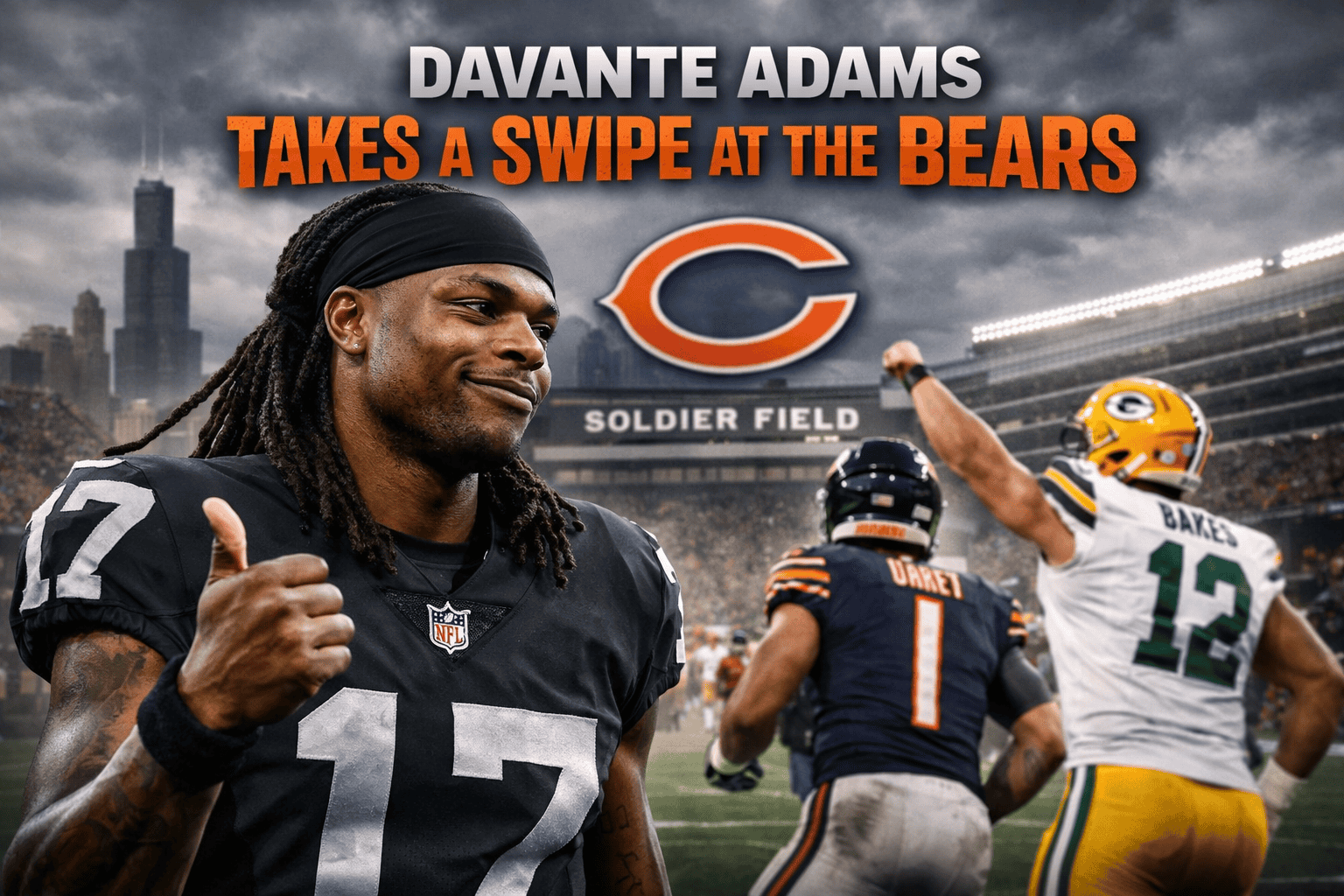
Davante Adams Takes a Swipe at the Bears” became a fast-moving NFL talking point because it combined two things people never ignore: a star player speaking bluntly and a rivalry that still carries real emotion. The reaction wasn’t only about what was said. It was about what it suggested—how players view certain teams, how fans hear criticism, and how one comment can grow into a bigger story about culture, winning, and reputation.
What Sparked the Headline
The moment started with a straightforward question about whether Adams would ever play for Chicago. His response was quick and clear: he didn’t see himself joining the Bears, even late in his career. Whether you call it a jab, a swipe, or just honesty, the takeaway was the same—he wanted to shut that door and move on.
Why a Simple “No” Turns Into a Big NFL Moment
In pro football, a star’s “no” can sound louder than a star’s “yes,” because it feels like a public rating of a franchise. Fans don’t hear it as a private career choice. They hear it as a verdict: on the city, on the organization, and on the direction of the team. That’s why short quotes often cause long debates.
The Rivalry Backstory That Changes How It Lands
Adams is strongly associated with Green Bay because that’s where he became a top name in the league. Bears–Packers history isn’t just a stat line; it’s a culture that fans pass down like family tradition. When someone who built his brand in that rivalry says “not Chicago,” it naturally hits harder than if the same words came from a player with no connection to the NFC North.
What Players Often Mean (Even When Fans Hear Something Else)
Veterans usually make decisions based on fit: the quarterback situation, the coaching plan, the locker-room tone, the chance to contend, and even lifestyle factors. So when a player says he wouldn’t play for a team, it can be about timing and role more than disrespect. But because the NFL is emotional, the public often treats it like a personal insult—especially when rivalries are involved.
How Bears Fans Are Likely to Interpret It
For many Chicago fans, the sting is not only the comment itself, but the idea behind it: “People don’t take us seriously.” Bears fans have heard plenty of national jokes over the years, so a star’s refusal can feel like one more example of outsiders piling on. It becomes less about Adams and more about frustration with the team’s ups and downs.
Why Other Fans Enjoy These Moments
Some fans love unfiltered answers because they feel more real than the usual careful quotes. In a league where many players speak in safe, rehearsed lines, blunt honesty stands out. Rival fan bases also treat moments like this as proof that the old emotions are still alive, and that the league hasn’t become entirely polite.
The Media Effect: One Clip Becomes Ten Storylines
A short comment can be turned into a week of content because it supports many angles. Some shows frame it as rivalry talk. Others frame it as “organizational reputation.” Others use it to debate player movement and where stars prefer to finish their careers. The quote doesn’t need more facts to grow—because the conversation is really about what people think it means.
Reputation in the NFL Is Real, Even If It’s Not Always Fair
Every team carries a reputation, and it changes slowly. Some franchises are seen as stable and well-run. Others are seen as messy, impatient, or constantly rebuilding. When a respected player publicly rejects a team, it can reinforce a reputation that the franchise may already be trying to shake—even if the current locker room and staff feel different from the old narrative.
The Football Side: Why “Fit” Matters More Than Feelings
Wide receivers depend heavily on timing, play design, and quarterback rhythm. They also care about how an offense uses them: route variety, red-zone plans, and whether the team can protect long enough for plays to develop. When a veteran thinks about a possible move, he’s often thinking about these details, not just a logo. Fans may focus on rivalry emotion, but players often focus on football reality.
What the Bears Can Control After a Moment Like This
If you’re Chicago, the best response is usually not arguing on social media or sending public shots back. The strongest answer is improving the product: clearer coaching identity, better weekly execution, and more consistent winning. When a team starts stacking good seasons, the “nobody wants to go there” talk fades quickly because success is the best reputation builder in the NFL.
Key Takeaways for NFL Talk
-
A star’s blunt answer can shape how people talk about a franchise for weeks.
-
Rivalry history makes comments feel bigger than they might have been intended.
-
“I wouldn’t play there” often signals fit and timing, not personal hatred.
-
Media discussion grows fast because one clip can support many debates.
-
Teams change narratives by winning, developing talent, and staying stable.
How to Hear These Comments Without Overreacting
It helps to separate emotion from meaning. A player can respect opponents and still say, “That’s not for me.” Fans can feel offended and still admit that players have personal goals, family priorities, and career timelines that shape decisions. When you look at it that way, the comment becomes less like a deep insult and more like a reminder that the league is also a business.
What This Might Mean Going Forward
In the short term, it’s mostly fuel for talk shows and rival fans. In the long term, the bigger question is whether Chicago builds a stretch of steady success that changes the way stars speak about the team. If the Bears become a consistent winner, future players won’t laugh off the idea of joining—they’ll treat it like a real option, because winning changes everything in professional sports.
Final Thoughts / Conclusion
“Davante Adams Takes a Swipe at the Bears” is a perfect example of how the NFL turns a few seconds of honesty into a full conversation about culture, legacy, and respect. The comment mattered because of who said it and the history attached to it, not because it revealed a secret. If Bears fans want the most meaningful response, it won’t be found in arguing with a quote—it will be found in building a team that makes comments like this feel outdated.
Frequently Asked Questions (FAQs)
What did Davante Adams mean by his comment about the Bears?
He was making it clear that Chicago is not a team he sees himself joining. Fans may hear it as a jab, but players often mean it as a firm personal decision based on fit, timing, and comfort.
Was he joking, or was it a serious statement?
The delivery may have sounded casual, but the message was strong and direct. A quick, confident “no” usually signals a real boundary rather than playful talk.
Why did this become such a big story?
Because it mixes a star name with a famous rivalry and a blunt answer. Those three ingredients create instant debate across fans, media, and former players.
Does this mean Adams disrespects the Bears organization?
Not necessarily. A player can respect opponents and still decide a franchise isn’t the right place for his career or final years in the league.
Do NFL players really hold onto rivalry feelings after changing teams?
Many do, especially if they spent their prime years inside a heated division. Rivalries shape routines, memories, and emotions that don’t disappear just because a player moves on.
Should the Bears respond publicly to comments like this?
Most of the time, no. Public replies usually keep the story alive longer, while winning and stability are what actually change the league’s perception.
Does a comment like this affect free agency for Chicago?
One quote won’t decide free agency, but it can reinforce existing narratives. Over time, consistent success and clear leadership are what attract players and reshape reputation.
What’s the healthiest way for fans to react?
Treat it as talk, not destiny. Fans can disagree, feel annoyed, and still recognize that players make choices based on their own goals—and the best long-term response is team improvement on the field.
ALSO READ THIS : Pragmatic gacor200.wulyf.org: Legit Site ?


Best Movirz Alternatives for Streaming Movies Online

Who Is Erin Trussell? Full Details About Duncan Trussell’s Wife and Personal Life

What Is Twizchat and How Does It Work for Users Today

What Is SosoActive and How Does It Work for Users

How to Identify 2RSB9053 Parts and Their Key Features

What Is Caricatronchi and How Does It Work Today

What SocialWick offers for safe social media growth

What Is Cumhuritey and How It Works Around the World

What Is Hormita and How It Is Used Around the World

How Pappedeckel Helps in Packaging and Daily Use

Galoble

MMSVEE24 Explained in Simple Terms for Beginners
What SocialWick offers for safe social media growth
Best Movirz Alternatives for Streaming Movies Online

HeilxStudio
How Pappedeckel Helps in Packaging and Daily Use
Who Is Erin Trussell? Full Details About Duncan Trussell’s Wife and Personal Life
What Is Cumhuritey and How It Works Around the World
How to Identify 2RSB9053 Parts and Their Key Features
What Is Twizchat and How Does It Work for Users Today
Best Movirz Alternatives for Streaming Movies Online
Who Is Erin Trussell? Full Details About Duncan Trussell’s Wife and Personal Life
What Is Twizchat and How Does It Work for Users Today
What Is SosoActive and How Does It Work for Users
How to Identify 2RSB9053 Parts and Their Key Features
What Is Caricatronchi and How Does It Work Today
What SocialWick offers for safe social media growth
What Is Cumhuritey and How It Works Around the World
What Is Hormita and How It Is Used Around the World
How Pappedeckel Helps in Packaging and Daily Use
-

 Technology4 months ago
What Is 001-gdl1ghbstssxzv3os4rfaa-3687053746? Uses Explained
-

 Celebrity3 months ago
Who Is Lauren Deleo? What to Know About Jake Lacy’s Wife
-

 Celebrity4 months ago
Who Is Debra Peifer? The Untold Story Behind Zach Bryan’s Rising Fame
-

 Blog4 months ago
What Is cilkizmiz24? Explained Clearly: Meaning, Use, and Notes